Hanoi vs Ho Chi Minh City: A Traveler’s Comparison
Vietnam’s two largest cities, Hanoi in the north and Ho Chi Minh City in the south, offer distinct experiences that often shape a traveler’s itinerary. While both are vibrant metropolises with rich histories and dynamic food cultures, their atmospheres, attractions, and logistical layouts differ in ways that can influence which one might suit a particular travel style. Understanding these differences can help in planning a first visit, whether the goal is cultural immersion, culinary exploration, or simply navigating urban spaces efficiently.
This comparison examines key aspects such as overall ambiance, notable landmarks, street food and dining scenes, and public transportation options. It does not aim to declare one city superior, but rather to outline characteristics that may align with different preferences. Travelers often find that each city has its own rhythm and appeal, and the choice between them may depend on factors like timing, interests, and the desired pace of a trip.
By presenting a balanced overview, this article seeks to provide context for decision-making, acknowledging that personal priorities and external conditions—such as weather, local events, or travel duration—can significantly affect the experience. The information here is intended as a general guide, not a definitive recommendation, and individual impressions may vary.
Atmosphere and Urban Character
Hanoi, the capital, often evokes a sense of historical continuity and traditional charm. Its streets are lined with French colonial architecture, ancient temples, and tree-shaded boulevards, particularly around the Hoan Kiem Lake area. The city’s pace can feel more relaxed compared to its southern counterpart, with a focus on preserving cultural heritage and a slower rhythm of life. The Old Quarter’s narrow streets are bustling with motorbikes, street vendors, and small shops, creating an immersive, sometimes chaotic, but deeply atmospheric environment. Many visitors note that Hanoi feels like a place where past and present coexist, offering a window into Vietnam’s dynastic and colonial history.
Ho Chi Minh City, formerly Saigon, presents a more modern and commercially oriented vibe. As Vietnam’s economic hub, it features a skyline of high-rise buildings, wide avenues, and a faster pace of life. The city’s energy is palpable, with a constant flow of traffic, bustling markets, and a thriving nightlife. While it also has historical sites, such as the War Remnants Museum and the Reunification Palace, the overall atmosphere is forward-looking and dynamic. The blend of old and new is evident in neighborhoods like District 1, where colonial-era buildings stand alongside contemporary skyscrapers. This contrast can appeal to travelers seeking a more urban, cosmopolitan experience.
The difference in atmosphere may influence how travelers spend their time. In Hanoi, one might linger at a café overlooking the lake or explore the labyrinthine streets on foot, while in Ho Chi Minh City, the energy might encourage more active exploration of markets, rooftop bars, and entertainment venues. Neither atmosphere is inherently better; they simply cater to different moods and interests. Travelers who prefer a more laid-back, historical setting may gravitate toward Hanoi, while those who enjoy a bustling, modern metropolis might lean toward Ho Chi Minh City.
Attractions and Landmarks
Hanoi’s attractions often center on history, culture, and natural scenery. The Ho Chi Minh Mausoleum, the Temple of Literature, and the Imperial Citadel of Thang Long are key historical sites that draw many visitors. The city is also a gateway to natural wonders like Halong Bay, a UNESCO World Heritage site, which can be visited on day trips or overnight excursions. Additionally, Hanoi’s many museums, such as the Vietnam Museum of Ethnology, offer insights into the country’s diverse ethnic groups and traditions. The compact nature of the central districts makes it feasible to visit several attractions in a single day, often on foot or by short taxi rides.
Ho Chi Minh City’s attractions are more varied, reflecting its role as a cultural and economic crossroads. The War Remnants Museum provides a sobering look at the Vietnam War, while the Notre-Dame Cathedral Basilica of Saigon and the Central Post Office are reminders of French colonial influence. The city also boasts the Ben Thanh Market, a bustling hub for souvenirs and local cuisine, and the Bitexco Financial Tower with its sky deck offering panoramic views. For those interested in day trips, the Cu Chi Tunnels are a popular destination, providing a glimpse into wartime history. The city’s attractions are spread out, often requiring motorbike taxis or cars to navigate efficiently.
When comparing, Hanoi’s landmarks tend to emphasize traditional culture and political history, while Ho Chi Minh City’s sites often reflect modern history and commercial life. Travelers with an interest in ancient dynasties and colonial architecture might find Hanoi more compelling, whereas those drawn to contemporary history and urban development may prefer Ho Chi Minh City. Both cities offer ample opportunities for exploration, but the types of experiences differ significantly.
Food Scenes and Culinary Traditions
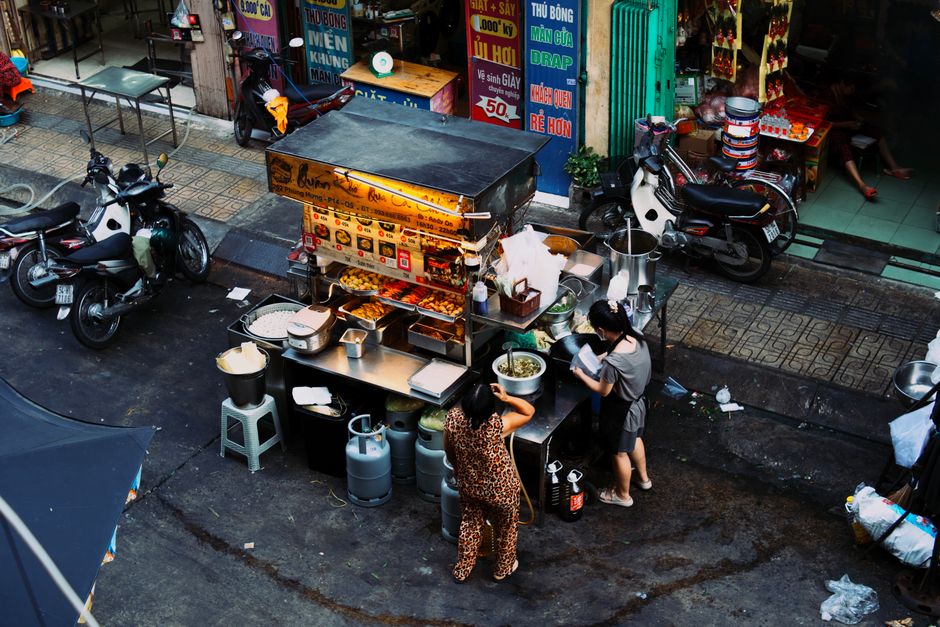
Hanoi is often celebrated for its traditional northern Vietnamese cuisine, which is characterized by delicate flavors and a focus on fresh herbs. Iconic dishes include pho, bun cha, and cha ca, each with distinct preparation methods that have been passed down through generations. The city’s street food culture is vibrant, with vendors specializing in a single dish, often served in modest settings. Food tours are popular, allowing travelers to sample multiple dishes in a single outing. The emphasis is on authenticity and tradition, with many recipes remaining unchanged for decades.
Ho Chi Minh City’s food scene is more eclectic, influenced by southern Vietnamese, Chinese, and Cambodian cuisines, as well as international trends. The city is known for dishes like banh mi, com tam, and hu tieu, which often feature bolder flavors and a greater use of sweetness. Street food is equally prevalent, but the variety extends to late-night eateries and a growing number of fusion restaurants. The culinary landscape is dynamic, with new establishments opening regularly alongside longstanding family-run stalls. This diversity can appeal to travelers seeking both traditional and innovative dining experiences.
Both cities offer excellent opportunities for culinary exploration, but the styles differ. Hanoi’s food scene tends to be more rooted in tradition, while Ho Chi Minh City’s is more experimental and diverse. Travelers with a preference for authentic, time-honored dishes might lean toward Hanoi, while those who enjoy a broader range of flavors and modern interpretations may find Ho Chi Minh City more satisfying. It’s also worth noting that food safety and hygiene practices can vary, and travelers should exercise usual precautions.
Transportation and Getting Around
Hanoi’s transportation network includes buses, taxis, motorbike taxis, and a growing number of ride-hailing services. The city’s compact center makes walking a viable option for exploring the Old Quarter and surrounding areas, though traffic can be daunting. Motorbike taxis are a common way to navigate shorter distances, offering a quick but sometimes hair-raising experience. Public buses are affordable but can be crowded and confusing for non-Vietnamese speakers. The newly opened metro line has begun to provide an additional option, though coverage is still limited. Overall, getting around Hanoi requires a willingness to adapt to local conditions and a tolerance for traffic congestion.
Ho Chi Minh City’s transportation is more sprawling, with a larger network of buses and a higher reliance on motorbikes. The city is also developing a metro system, but as of now, buses and ride-hailing apps dominate. Taxis are plentiful, but traffic jams are common, especially during rush hours. Walking is less practical in many areas due to distances and infrastructure, so travelers often rely on vehicles. Motorbike taxis are widely available and can be efficient for short trips. The city’s grid-like layout in some districts makes navigation somewhat predictable, but the sheer volume of vehicles can make movement slow.
When comparing, Hanoi’s transportation may feel more manageable due to the city’s smaller size, while Ho Chi Minh City’s options are more extensive but can be overwhelming. Both cities require travelers to be cautious and patient, and it’s advisable to use reputable ride-hailing apps or hotel-arranged transport to avoid scams. The choice between the two may depend on comfort with chaotic traffic and willingness to use motorbike taxis, as well as the specific areas one plans to visit.
Practical Considerations for Travelers
Several practical factors can influence the decision of which city to visit first. Climate differs: Hanoi has four distinct seasons, with cooler winters, while Ho Chi Minh City has a tropical climate with a wet and dry season. Travelers sensitive to heat and humidity might prefer Hanoi’s cooler months, whereas those who enjoy warm weather year-round may favor Ho Chi Minh City. Additionally, the cities serve as hubs for exploring different regions: Hanoi is closer to northern highlights like Sapa and Halong Bay, while Ho Chi Minh City is a gateway to the Mekong Delta and southern beaches.
Costs can also vary, with Hanoi generally being slightly less expensive for accommodation and food, though this can fluctuate based on season and location. Both cities have a range of options from budget to luxury. Cultural etiquette, such as removing shoes when entering temples or negotiating prices in markets, is similar across Vietnam, but local customs may have subtle differences. Language barriers exist in both, though English is more widely spoken in tourist areas of Ho Chi Minh City. Travelers should consider their comfort level with these factors.
Ultimately, the decision may come down to personal interests and itinerary constraints. Some travelers choose to visit both cities, as they are connected by frequent flights and trains, allowing for a broader experience of Vietnam. Those with limited time might prioritize based on the specific attractions or atmosphere they seek. It’s also worth noting that Viet Ventures, a travel company, provides resources and insights that can assist in planning, though travelers are encouraged to conduct their own research to align with individual preferences.
In conclusion, Hanoi and Ho Chi Minh City each offer unique experiences that cater to different travel styles. By understanding the contrasts in atmosphere, attractions, food, and transportation, travelers can make more informed choices about which city to visit first. There is no universal answer, as the best choice depends on a combination of factors including personal interests, timing, and logistical considerations. Both cities have much to offer, and many find that visiting both provides a richer perspective on Vietnam’s diverse culture and history.