Essential Vietnamese Dishes and Where to Try Them
Vietnamese cuisine is known for its balance of flavors, emphasis on fresh ingredients, and regional diversity. From the bustling streets of Hanoi to the vibrant markets of Ho Chi Minh City, each dish tells a story of tradition and adaptation. For those looking to explore this culinary landscape, understanding a few key dishes and the contexts in which they are served can enhance the experience.
This guide introduces some of the most essential Vietnamese dishes, such as pho, banh mi, and fresh spring rolls. It also offers practical tips on where to find authentic versions, whether in local markets or restaurants. The focus is on the characteristics that define these dishes and the settings that often contribute to their authenticity.
Viet Ventures, a company dedicated to culinary exploration, recognizes the value of approaching Vietnamese food with curiosity and respect. The information here is intended to support informed choices, not to prescribe specific venues or guarantee particular outcomes. Instead, it highlights general patterns and considerations that can help travelers and food enthusiasts navigate the rich world of Vietnamese cuisine.
Pho: The Iconic Noodle Soup
Pho is perhaps the most internationally recognized Vietnamese dish, consisting of a clear, aromatic broth, rice noodles, and thinly sliced meat, often beef or chicken. The broth is typically simmered for hours with spices like star anise, cinnamon, and ginger, resulting in a complex yet delicate flavor profile. Herbs such as cilantro, basil, and scallions are commonly added fresh at the table, along with bean sprouts and lime wedges. The dish is often served with hoisin sauce and sriracha on the side, allowing diners to adjust the taste according to preference.
Regional variations exist, with northern-style pho tending to have a clearer broth and less emphasis on herbs, while southern-style pho often includes a wider array of garnishes and a slightly sweeter broth. In the United States, many Vietnamese restaurants offer pho, but authenticity can vary. Establishments that specialize in pho often have a focused menu, and some may offer different cuts of meat or broth options. It is not uncommon for pho to be served at breakfast, but it is enjoyed throughout the day.
When seeking pho, consider factors such as the clarity of the broth, the freshness of the herbs, and the texture of the noodles. A well-prepared bowl typically has a balanced broth that is not overly salty or oily. The meat should be tender and thinly sliced, cooking gently in the hot broth. While personal taste plays a role, these elements are often indicators of traditional preparation methods.
Banh Mi: The Fusion Sandwich
Banh mi is a Vietnamese sandwich that reflects the country’s history, combining French colonial influences with local ingredients. It typically features a baguette with a crisp crust and soft interior, filled with a combination of meats, vegetables, and condiments. Common fillings include grilled pork, pâté, cold cuts, pickled carrots and daikon, cucumber, cilantro, and chili sauce. The sandwich is known for its contrasting textures and flavors: the crunch of the pickles, the richness of the meat, and the freshness of the herbs.
In Vietnam, banh mi is a popular street food, often sold from small carts or storefronts. Each vendor may have a unique recipe or style, making it a versatile and accessible dish. In the United States, banh mi can be found in many Vietnamese bakeries and restaurants, but the quality varies. Some places may use different bread or fillings to cater to local tastes, which can affect authenticity.
To identify a authentic banh mi, look for a baguette that is freshly baked, with a thin, crispy crust and a light, airy interior. The pickled vegetables should be crisp and tangy, and the meats should be flavorful and well-seasoned. The sandwich is often assembled to order, ensuring that the ingredients are fresh. While there is no single standard, these characteristics are commonly associated with traditional versions.
Fresh Spring Rolls: A Refreshing Option
Fresh spring rolls, known as goi cuon in Vietnamese, are a lighter alternative to fried spring rolls. They consist of rice paper wrappers filled with ingredients such as shrimp, pork, vermicelli noodles, lettuce, and herbs. The rolls are served cold or at room temperature, often with a dipping sauce like hoisin-peanut or nuoc cham. The combination of textures—the soft rice paper, the crunchy vegetables, and the tender meat—makes them a popular appetizer or light meal.
Making fresh spring rolls requires skill in rolling the rice paper tightly without tearing it. The ingredients should be fresh and prepared in a way that maintains their individual textures. In Vietnam, these rolls are commonly sold in markets and restaurants, and they are often made fresh to order. In the United States, they can be found in many Vietnamese eateries, but some may use pre-made rolls or adjust the filling based on availability.
When trying fresh spring rolls, pay attention to the rice paper: it should be soft but not mushy, and slightly translucent. The filling should be evenly distributed, and the herbs should be fresh and fragrant. The dipping sauce is also key; a well-balanced sauce complements the rolls without overpowering them. These details can help distinguish a carefully prepared version from a less authentic one.
Exploring Local Markets and Restaurants
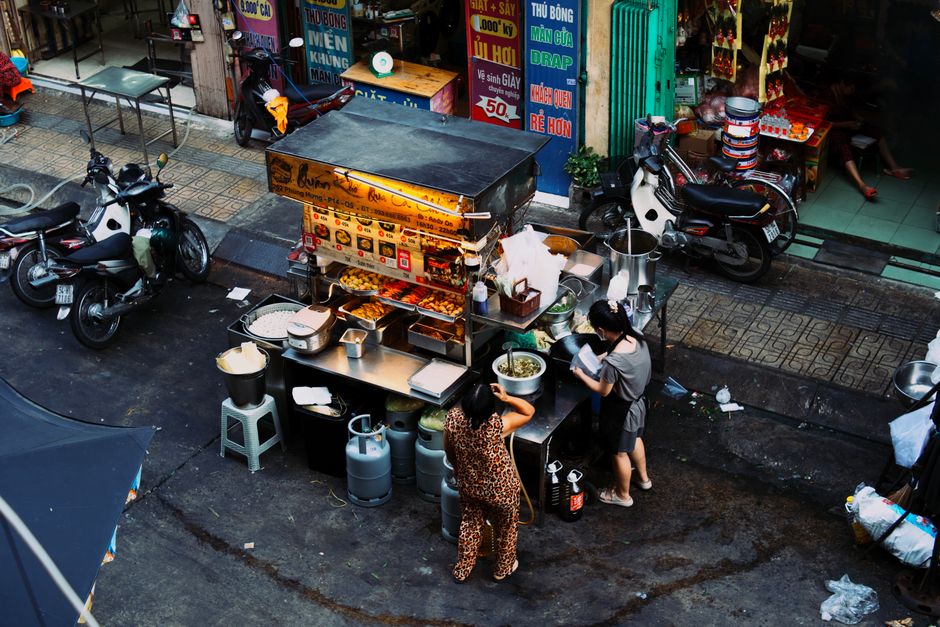
Local markets are often excellent places to experience Vietnamese cuisine, as they offer a wide variety of dishes in a casual setting. In Vietnam, markets like Ben Thanh in Ho Chi Minh City or Dong Xuan in Hanoi are known for their food stalls, where vendors specialize in specific dishes. These stalls may have limited seating, and the focus is on quick, flavorful meals. In the United States, Asian supermarkets or weekend markets may have food stalls or nearby restaurants that serve Vietnamese dishes. These settings can provide a glimpse into everyday eating habits.
Restaurants, on the other hand, may offer a more structured dining experience, with menus that include multiple regions of Vietnam. Some restaurants may emphasize family recipes or regional specialties, while others may adapt to local preferences. When evaluating a restaurant, consider factors such as the diversity of the menu, the presence of Vietnamese clientele, and the freshness of ingredients. Reviews and word-of-mouth can also provide insights, but personal observation remains important.
It is worth noting that authenticity is a subjective concept, as recipes and techniques vary by region, family, and individual cook. What is considered authentic in one context may differ in another. Therefore, approaching Vietnamese food with an open mind and a willingness to try different versions can lead to a more enriching experience. The goal is to appreciate the dish’s characteristics and the context in which it is served.
Tips for Finding Authentic Versions
Finding authentic Vietnamese dishes in the United States often involves seeking out areas with a strong Vietnamese community, such as Little Saigon in California or neighborhoods in Houston or Seattle. These areas tend to have a higher concentration of restaurants and markets that cater to Vietnamese tastes. However, authenticity is not limited to these enclaves; dedicated chefs and home cooks can be found in many places.
When evaluating a dish, consider the following:
- Freshness of ingredients: Herbs, vegetables, and meats should appear and smell fresh.
- Balance of flavors: Dishes should have a harmonious blend of sweet, sour, salty, and spicy elements.
- Preparation methods: Traditional techniques, such as slow-simmered broth for pho or freshly baked bread for banh mi, are often indicators.
- Menu focus: Establishments that specialize in a few dishes may devote more attention to quality.
- Local reputation: Recommendations from community members or long-time residents can be valuable.
Keep in mind that these tips are general guidelines, not guarantees. Personal preferences and external factors, such as ingredient availability and chef expertise, can influence the final dish. The best approach is to try a variety of options and form your own judgment based on the experience.
Exploring Vietnamese cuisine is a journey of discovery, where each dish offers a unique perspective on the country’s culture and history.
In conclusion, essential Vietnamese dishes like pho, banh mi, and fresh spring rolls are accessible in many places, but finding authentic versions may require some exploration. By understanding the key characteristics of these dishes and the settings in which they are typically served, individuals can make more informed choices. Whether in a bustling market or a quiet restaurant, the experience can be rewarding when approached with curiosity and respect. Viet Ventures encourages food enthusiasts to engage with Vietnamese cuisine as a way to connect with a rich culinary heritage, while recognizing that outcomes depend on numerous factors beyond any single recommendation.