For history enthusiasts, the central coast of Vietnam offers a remarkable concentration of historical sites that span centuries of political, commercial, and cultural development. Two destinations in particular—the imperial citadel of Hue and the ancient town of Hoi An—stand as enduring testaments to distinct chapters in the region’s past. Hue, the former imperial capital, reflects the grandeur and structure of a dynastic court, while Hoi An reveals the rhythms of a thriving merchant port that connected Asia and Europe. Together, they provide a layered understanding of Vietnam’s historical narrative, from imperial rule to international trade.
Exploring these sites involves more than observing old buildings. It requires an appreciation for the architectural techniques, urban planning principles, and cultural exchanges that shaped them. Each location preserves a wealth of details—from defensive walls and royal tombs to wooden shop houses and assembly halls—that inform how societies organized themselves and interacted with the wider world. For travelers seeking depth, these destinations offer a chance to engage with history through physical spaces and the stories they hold.
This article presents an overview of Hue and Hoi An, focusing on their historical significance, architectural features, and practical information for visitors. It aims to support informed exploration, whether you are planning a first visit or deepening existing knowledge. The information is presented in a neutral, process-oriented manner, emphasizing context and methodology rather than guaranteeing any particular experience.
Historical Significance of Hue: The Imperial Capital
Hue served as the political and cultural heart of Vietnam during the Nguyen dynasty, which ruled from 1802 until 1945. As the imperial capital, it was the seat of government, the residence of emperors, and the center of ritual and scholarship. The decision to establish the capital at Hue reflected strategic considerations, including its position near the Perfume River and its distance from both northern and southern power centers. Over time, the city developed into a complex urban landscape that integrated royal, administrative, and religious functions.
The imperial citadel, known as the Da Nang or simply the Citadel, was constructed beginning in 1804 under Emperor Gia Long. It was designed according to geomantic principles and modeled in part on the Forbidden City in Beijing, though adapted to local conditions and available materials. The citadel comprises three concentric enclosures: the outer defensive walls, the imperial city (Hoang Thanh), and the innermost forbidden purple city (Tu Cam Thanh), where the emperor and his family lived. This layered structure symbolized the hierarchical order of the state and the sacred separation of the ruler from ordinary affairs.
Beyond the citadel, Hue is dotted with tombs of Nguyen emperors, each a distinct architectural ensemble set in natural surroundings. These tombs, such as those of Tu Duc, Minh Mang, and Khai Dinh, combine burial functions with pleasure gardens, temples, and pavilions. They reflect not only the personalities of the emperors but also the cosmological beliefs and artistic trends of their reigns. The dispersal of these monuments across the landscape underscores the importance of the region as a dynastic heartland.
In recognition of its outstanding value, the Complex of Hue Monuments was inscribed as a UNESCO World Heritage Site in 1993. This designation has supported conservation efforts and international cooperation, helping to preserve the site for future generations. For historians, Hue offers a rich case study in imperial urbanism, court ritual, and the intersection of tradition and modernity in nineteenth- and early twentieth-century Vietnam.
Architectural Highlights of Hue
The architecture of Hue is characterized by a blend of Vietnamese, Chinese, and French influences, reflecting both indigenous traditions and external contacts. The imperial citadel’s defensive walls, gates, and bastions demonstrate advanced military engineering, while the inner palaces and pavilions showcase refined wooden construction, ceramic decoration, and harmonious proportions. The use of geometric patterns, mythical motifs, and symbolic colors—such as yellow for the emperor—conveys political and cosmological messages.
Within the citadel, the Thai Hoa Palace (Palace of Supreme Harmony) served as the site of important ceremonies and audiences. Its impressive roof structure and intricate woodwork illustrate the skills of local craftsmen. The To Mieu Temple, dedicated to past emperors, and the Hung Mieu Temple, for the emperor’s ancestors, are other notable structures that highlight the role of ancestor worship in court life. Together, these buildings form a coherent architectural ensemble that communicates the values and hierarchy of the Nguyen court.
The imperial tombs present a different architectural expression. Each tomb is a designed landscape that integrates architecture with nature. For example, the Tomb of Minh Mang is laid out along a central axis, with gates, courtyards, and pavilions leading to the burial mound, surrounded by lakes and gardens. The Tomb of Tu Duc, where the emperor also retreated for leisure, includes a pleasure garden and a theater. The Tomb of Khai Dinh, built later, incorporates European elements such as wrought iron and concrete, reflecting the changing tastes of the early twentieth century.
Visitors interested in architecture can observe construction techniques, materials, and decorative arts that have been preserved or restored. Many structures are made of brick, stone, wood, and lime mortar, with roofs covered in glazed tiles. The layout of spaces—from broad processional ways to intimate courtyards—demonstrates careful planning that balances function, symbolism, and aesthetics. Exploring these details can deepen one’s appreciation of the sophistication of pre-modern Vietnamese architecture.
Historical Significance of Hoi An: A Merchant Port
Hoi An, located on the Thu Bon River, was a major trading port from the fifteenth to the nineteenth centuries. It attracted merchants from China, Japan, India, and later Europe, who came to exchange goods such as silk, ceramics, spices, and metals. The town’s prosperity was linked to its favorable location and to the policies of local rulers, which encouraged foreign trade. Unlike Hue, which was a center of political power, Hoi An was a commercial hub, and its history reflects the dynamics of international exchange.
The decline of Hoi An as a port began in the late eighteenth century due to silting of the river and shifting political conditions. However, this decline paradoxically contributed to its preservation, as it was not heavily redeveloped in later periods. The ancient town that remains today is a remarkably intact example of a Southeast Asian trading port, with a street plan and architecture that date back to its heyday. It was inscribed as a UNESCO World Heritage Site in 1999, recognized for its outstanding universal value.
The town’s population was diverse, and this is reflected in its religious and social institutions. Chinese merchants built assembly halls that served as meeting places and temples, while Japanese traders constructed a covered bridge that remains an iconic landmark. Vietnamese residents lived alongside these foreign communities, creating a multicultural society that left its mark on the town’s built environment. For historians, Hoi An provides insights into regional trade networks, diaspora communities, and cultural hybridity.
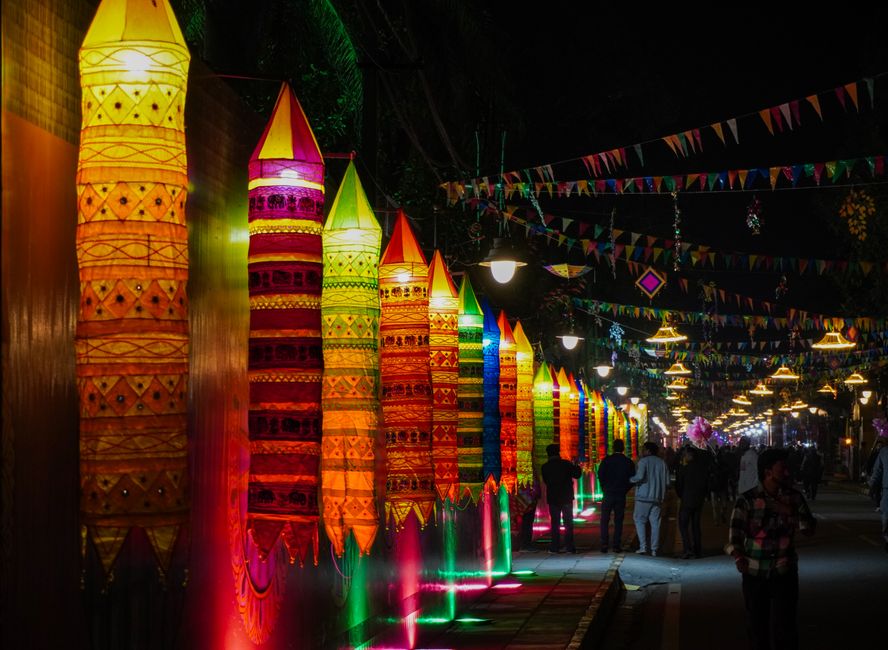
Today, Hoi An is a living town where residents continue to work and worship. The blend of historical layers and ongoing life makes it a dynamic subject for study. Visitors can explore the streets, visit the museums, and observe the daily activities that take place within the ancient structures, gaining a sense of continuity between past and present.
Architectural Highlights of Hoi An
The architecture of Hoi An is characterized by wooden shop houses with tiled roofs, narrow facades, and deep interiors. These buildings typically combine a shop at the front, a courtyard in the middle, and living quarters at the back. The use of materials such as jackfruit wood, terracotta, and stone reflects local availability and craftsmanship. Decorative elements include carved wooden panels, ceramic motifs, and painted details, often carrying symbolic meanings related to prosperity and protection.
Assembly halls, such as the Fujian and Cantonese halls, are notable for their elaborate gateways, courtyards, and altars. They feature intricate woodcarvings, stone statues, and colorful ceramics. The Japanese Covered Bridge, built in the early seventeenth century, is a unique structure that spans a small channel and includes a temple on its north side. Its design incorporates both Japanese and Vietnamese elements, symbolizing the cooperation between communities.
Other architectural features include the old houses of merchant families, some of which have been preserved for generations. The Tan Ky House and the Phung Hung House are examples that display traditional layout and furnishings. These houses often have open ceilings with beams and trusses, allowing for ventilation and light. The presence of family altars and ancestral halls underscores the importance of lineage and tradition in Hoi An society.
Visitors can appreciate the architectural details by walking through the streets and entering selected buildings. Many structures have been restored, and ongoing conservation efforts aim to maintain their integrity. Understanding the construction methods and design principles can enhance one’s experience and provide a deeper connection to the past.
Visitor Information for History Enthusiasts
When planning a visit to Hue and Hoi An, it is helpful to consider the best times to travel, how to get around, and what to see. Both destinations have distinct weather patterns, with Hue experiencing a rainy season from September to December and Hoi An having a dry season from February to August. The climates can influence comfort and accessibility, so checking seasonal conditions is advisable. Many visitors choose to spend several days in each place to allow for thorough exploration.
In Hue, the imperial citadel and tombs are spread out, so arranging transportation such as a car or motorbike may be practical. Guided tours are available and can provide context, though independent exploration is also possible. Tickets are required for entry to the citadel and some tombs, and they can be purchased at the sites or through authorized agents. In Hoi An, the ancient town is compact and walkable, with ticket booths at various entrances. A single ticket often provides access to several attractions, including assembly halls, old houses, and the Japanese Bridge.
For history enthusiasts, it may be useful to research the sites in advance to prioritize areas of interest. Museums in both cities, such as the Hue Museum of Royal Antiquities and the Hoi An Museum of History and Culture, offer additional context. Hiring a knowledgeable guide can enhance understanding, but it is not essential. It is important to respect local customs and regulations, such as dress codes at religious sites and restrictions on photography in certain areas.
Accommodation options range from budget to luxury, and both cities have a variety of restaurants and cafes. Travelers can also consider combining a visit to Hue and Hoi An with other nearby historical sites, such as the My Son Sanctuary, which is a short drive from Hoi An. Since conditions and offerings can change, verifying current information through official sources or reputable travel providers is recommended. Companies like Viet Ventures may offer services that facilitate logistics, but travelers should assess their own needs and preferences.
Ultimately, the experience of exploring these historical sites depends on multiple factors, including personal interests, time available, and external conditions. By approaching the visit with curiosity and preparation, history enthusiasts can engage with Vietnam’s rich heritage in a meaningful way.