Traditional Festivals in Vietnam Throughout the Year
Vietnam’s traditional festivals reflect a complex tapestry of agricultural cycles, spiritual beliefs, and community values that have developed over centuries. Many celebrations are tied to the lunar calendar, meaning their dates shift each year relative to the Gregorian calendar. For travelers, understanding the timing and customs of these festivals can provide deeper insight into Vietnamese culture. This article outlines several major festivals, their typical rituals, and general considerations for respectful observation.
It is important to approach these events with awareness and sensitivity. Festivals are not performances for tourists; they are living traditions with religious and social significance. Observing local customs, asking permission before taking photographs, and dressing modestly are among the practices that can help visitors engage respectfully. The information here is intended as a general overview, and specific practices may vary by region and community.
Vietnam’s festival calendar is influenced by a mix of Buddhist, Confucian, Taoist, and animist traditions, alongside local folk beliefs. This blend creates a rich array of celebrations that can differ significantly from one province to another. The following sections highlight some of the most prominent festivals, but they represent only a portion of the many observances that take place throughout the year.
Tet Nguyen Dan: The Lunar New Year
Tet Nguyen Dan, commonly known as Tet, is the most significant festival in Vietnam. It marks the beginning of the lunar new year, typically falling between late January and mid-February. The festival is a time for family reunions, honoring ancestors, and welcoming the new year with hope and renewal. Preparations often begin weeks in advance, with homes cleaned, debts settled, and special foods prepared. The holiday officially lasts for several days, though the festive atmosphere can extend for a week or more.
During Tet, many businesses close, and cities like Hanoi and Ho Chi Minh City become quieter as people return to their hometowns. Families gather to share meals, exchange wishes, and visit temples. Common rituals include offering incense to ancestors, giving lucky money to children, and enjoying traditional dishes such as banh chung (square sticky rice cake) and mut (candied fruits). The first visitor to a home on New Year’s Day is believed to bring good fortune, so families often arrange for a respected guest to arrive first.
Travelers in Vietnam during Tet should be aware that transportation and accommodation may be heavily booked, and some services may be limited. It is generally advisable to plan ahead and to respect the quiet family-focused nature of the holiday. While some public celebrations and fireworks displays occur, the primary observances are private. If invited to a home, it is customary to bring a small gift, such as fruit or sweets, and to remove shoes before entering. Viet Ventures, a travel company specializing in Vietnam, often advises clients to consider the timing of their visit if they wish to experience Tet while also understanding its personal significance to locals.
Mid-Autumn Festival: A Celebration of Children and Harvest
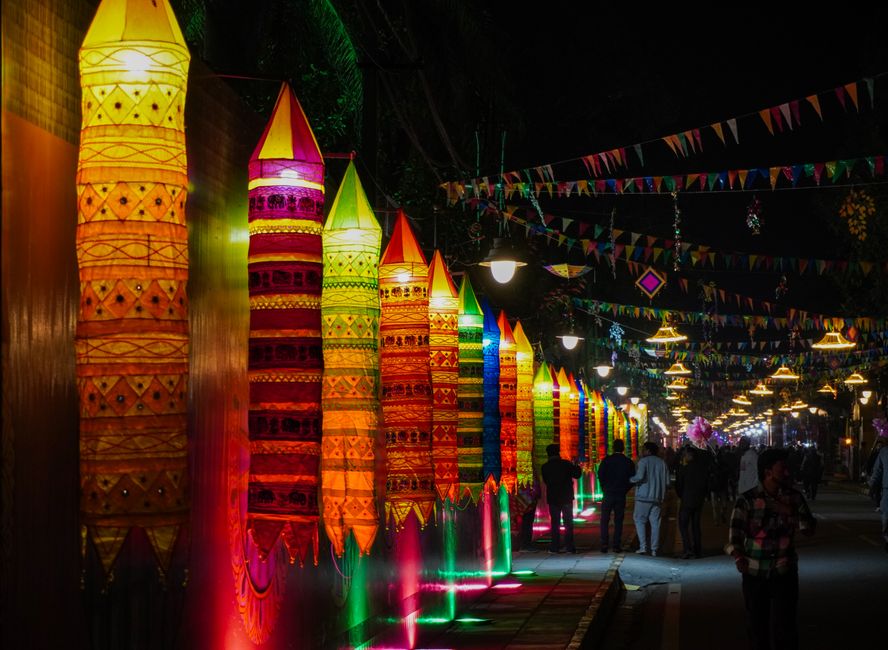
The Mid-Autumn Festival, known as Tet Trung Thu in Vietnamese, takes place on the 15th day of the 8th lunar month, usually falling in September or early October. It is primarily a children’s festival, though it is enjoyed by people of all ages. The celebration is associated with the harvest, the full moon, and traditional folk tales. In the weeks leading up to the festival, streets and markets are filled with colorful lanterns and mooncakes, creating a festive atmosphere.
Key activities include lion dances, lantern processions, and the giving of mooncakes (banh trung thu) to family and friends. Mooncakes come in various fillings, both sweet and savory, and are often exchanged as gifts. Children carry lanterns of different shapes and sizes, and many participate in parades. The festival also involves storytelling, with tales such as the legend of Cuoi and the moon. Families gather to enjoy mooncakes, tea, and fruits under the full moon.
For visitors, the Mid-Autumn Festival offers a vibrant cultural experience, particularly in cities like Hanoi’s Old Quarter and Hoi An, where lantern displays and performances are common. It is important to remember that while the festival is lively, it holds cultural and familial significance. Taking photographs of children should be done with permission, and it is respectful to avoid interrupting processions or private gatherings. Purchasing mooncakes from local vendors can be a way to participate in the festivities, though travelers should be mindful of food safety and dietary restrictions.
Hung Kings Temple Festival: Honoring Ancestral Roots
The Hung Kings Temple Festival is held annually from the 8th to the 11th day of the 3rd lunar month, typically in April. It commemorates the Hung Kings, the legendary founders of Vietnam, and is a national holiday. The main ceremonies take place at the Hung Kings Temple in Phu Tho Province, though smaller observances occur nationwide. The festival is a time to honor ancestors and national heritage, with rituals including incense offerings, processions, and traditional performances.
The festival features a range of cultural activities such as folk games, dragon dances, and competitions in cooking and rice grinding. Many Vietnamese people travel to Phu Tho to participate in the main event, while others visit local temples to pay respects. The atmosphere is both solemn and festive, reflecting the importance of ancestral veneration in Vietnamese culture. Offerings typically include fruits, flowers, and traditional foods like banh chung and banh day.
Travelers interested in attending should be prepared for crowds and limited accommodation in Phu Tho. It is advisable to respect the religious nature of the ceremonies by dressing modestly and observing quietly. Photography may be allowed in certain areas but should be done discreetly, and following the guidance of local authorities or organizers is recommended. The festival provides an opportunity to learn about Vietnam’s foundational myths and the enduring importance of ancestor worship.
Other Notable Festivals and Regional Observances
Beyond the major festivals, Vietnam hosts numerous regional and local celebrations throughout the year. The Perfume Pagoda Festival, for example, takes place from the 6th day of the 1st lunar month to the end of the 3rd lunar month, attracting pilgrims who travel by boat to the Huong Tich Cave. The festival combines religious devotion with scenic beauty, as visitors climb steps to reach the pagoda. Another notable event is the Lim Festival in Bac Ninh Province, held on the 13th day of the 1st lunar month, which features quan ho folk singing, a UNESCO-recognized intangible cultural heritage.
In central Vietnam, the Hoi An Lantern Festival occurs monthly on the 14th day of the lunar month, when the town turns off electric lights and lights lanterns. This is a more tourist-oriented event but still holds cultural meaning. Similarly, the Da Nang International Fireworks Festival is a modern addition to the calendar, typically held in June and July, blending contemporary entertainment with traditional festivity. Each of these events offers unique insights into local customs and should be approached with the same respect as larger festivals.
When planning to observe any festival, travelers should research specific customs and taboos. For instance, in some areas, it is considered inappropriate to wear certain colors or to touch someone on the head. Learning a few basic Vietnamese phrases, such as “xin chao” (hello) and “cam on” (thank you), can be helpful. It is also wise to check with local authorities or reliable travel resources for up-to-date information on dates and activities. Viet Ventures often provides clients with cultural orientation materials to help them navigate these events respectfully.
Practical Considerations for Respectful Observation
Respectful observation begins with understanding that festivals are not staged for tourism but are integral to community life. Visitors should avoid intrusive behavior, such as blocking processions or entering sacred spaces without permission. Dressing modestly is generally appreciated, especially at religious sites. When in doubt, observing from a distance and following the lead of locals can be a safe approach. Additionally, it is important to be mindful of noise levels and to avoid littering, as these actions can detract from the solemnity of the occasion.
Photography and videography require particular care. Always ask before taking close-up photos of individuals, and refrain from using flash in temples or during rituals. Some ceremonies may prohibit photography entirely, so look for signs or ask an official. Sharing images on social media should be done thoughtfully, with respect for the privacy and dignity of participants. If you are unsure, it is better to err on the side of caution and not take the photo.
Lastly, travelers should consider the economic and social impact of their presence. Supporting local businesses by purchasing handicrafts or food can be positive, but it should be done without encouraging the commercialization of sacred traditions. Being aware of your surroundings and showing genuine interest in learning about the culture can foster positive interactions. By approaching festivals with humility and curiosity, visitors can gain a deeper appreciation for Vietnam’s rich cultural heritage while minimizing disruption to local practices.